A Safe Place To Start A New Journey
 Authored by:Josh Hamburg
 Medically reviewed by:Dr. Sanjai Thankachen





Dialectical behavior therapy for addiction is a skills-based treatment that teaches four sets of tools, mindfulness, distress tolerance, emotion regulation and interpersonal effectiveness, so a craving can be ridden out instead of acted on. New Leaf Detox & Treatment runs DBT inside detox and residential care at 63 Mallorca in Laguna Niguel.
Addiction can feel isolating, overwhelming, and all-consuming, but you don’t have to face it alone. Dialectical Behavior Therapy (DBT) is an evidence-based treatment approach that helps individuals struggling with substance use develop practical coping skills, emotional regulation, and healthier ways to relate to themselves. In Orange County, DBT programs tailored for addiction combine structured therapy with compassionate support, giving you tools to manage cravings, triggers, and the ups and downs of recovery.
At New Leaf Detox and Treatment, DBT is integrated into a comprehensive addiction treatment plan that addresses both the mental health and behavioral components of substance use disorders. With guidance from trained DBT therapists, individuals gain skills that not only help them stay sober but also enhance overall quality of life and well-being.
New Leaf Detox accepts all PPO plans, which can cover up to 100% of treatment costs. Contact our team today for a free, confidential verification of your benefits.
Addiction can touch every part of a person’s life – physically, emotionally, and socially. If you’re noticing changes in yourself or a loved one, it’s important to remember that these patterns are not a moral failing – they are a signal that supportive care and treatment can make a real difference.
Some signs that someone might be struggling include:
Noticing these signs is a courageous first step. They are your body and mind’s way of saying help is needed, and there are compassionate, evidence-based therapies like DBT in Orange County that can support you toward healing and balance.
Many people think all therapy is the same, but DBT really stands out – especially for addiction and emotional struggles. Unlike traditional talk therapy, which often focuses on feelings and past events, DBT is skills-based. The same is true of our cognitive behavioral therapy work, which shares DBT’s roots but stops short of the crisis skills. It’s designed to give you practical tools to manage intense emotions, cope with stress, and handle relationships more effectively.
Key ways DBT differs from other therapies include:
For people dealing with addiction, DBT feels different because it meets you where you are. It’s about helping you survive the tough moments, making small but meaningful changes, and building a toolkit that sticks. You’re not just sitting on a couch talking. You’re gaining skills, getting real support, and building ways to handle life’s challenges that actually work.
Every DBT program rests on the same four modules. Each one targets a different link in the chain of addiction from trigger to use.
Module | The Moment it Targets | What You Build |
|---|---|---|
Mindfulness | The gap between urge and decision | Seeing a craving as a passing body state, not a command |
Distress Tolerance | The peak of a craving | Paced breathing, cold water, radical acceptance |
Emotion Regulation | The mood that starts the chain | Naming the emotion, checking the facts, acting opposite to the urge |
Interpersonal Effectiveness | Pressure to use, and boundaries you cannot hold | Asking, refusing and repairing before conflict turns into relapse |
Distress tolerance carries the first weeks, because it asks nothing of you except getting through the next twenty minutes without making things worse. Emotion regulation does the slower work underneath. Our mindfulness and meditation sessions give the first module daily practice.
DBT is highly effective for individuals struggling with addiction because it doesn’t just treat the substance use – it addresses the emotional and behavioral patterns that drive it. By building ways to cope with intense feelings without turning to substances, people gain a better chance at lasting recovery.
Key ways DBT supports addiction recovery:
For those seeking addiction treatment, DBT provides a practical, evidence-based approach that meets each person where they are. It equips individuals with tools to handle cravings, manage emotional highs and lows, and develop healthier coping strategies, increasing the likelihood of long-term recovery and improved well-being.
Standard DBT is not a weekly appointment. Marsha Linehan built it as four parts running at once, and dropping one weakens the rest.
The full skills curriculum takes about six months to cover once, and standard outpatient DBT runs it twice. In residential care the modules move faster, and the sequence continues in group therapy and the step-down care we help you transition to.
While DBT is often associated with treating borderline personality disorder (BPD), the truth is that its skills and strategies can help a wide range of people – especially those struggling with addiction. DBT is designed to support anyone who has intense emotions, struggles with impulsive behaviors, or finds it hard to cope with stress.

People who may benefit from DBT for addiction include:
DBT gives clients tools to recognize emotional patterns, respond to triggers more effectively, and build healthier routines. It’s not just for BPD – evidence-based strategies can support recovery and improve overall well-being for many people facing addiction challenges.
DBT was written for chronically suicidal clients before it was adapted for substance use, and the adapted protocol, DBT-SUD, adds pieces the standard model does not have. The central one is dialectical abstinence. You commit to complete abstinence wholeheartedly, for a stretch of time you can genuinely picture, and at the same time you build the plan for a lapse in advance, so a slip becomes a problem to solve rather than proof the attempt failed. Holding both at once is the point.
DBT-SUD also names three states of mind people in early recovery recognize on sight: Addict Mind, which argues the case for using, Clean Mind, the confidence that it could never happen again, and Clear Mind, which holds abstinence while staying alert to risk. Sessions run in a fixed order of priority. Life-threatening behavior comes first, including self-harm and overdose risk, then anything derailing the treatment itself, then substance use, then quality of life. That hierarchy is why DBT holds up with clients who carry borderline personality disorder or a self-harm history alongside addiction. Where both are present, DBT sits inside our dual diagnosis treatment. Trauma processing itself belongs in trauma-focused work, which our page on childhood trauma and addiction covers.
The National Library of Medicine (NLM) carries the full protocol.
If you or a loved one is struggling with addiction, Dialectical Behavior Therapy (DBT) can provide the tools and support needed to move through recovery with confidence. At New Leaf Detox and Treatment in Orange County, our compassionate team offers evidence-based DBT programs tailored to your unique needs.
Whether you need intensive group sessions, individual therapy, or a referral to outpatient support once you leave us, our programs are designed to help you build coping skills, manage emotions, and reduce harmful behaviors. Taking the first step can feel daunting, but many people feel immediate relief the moment they reach out and share their concerns.
Reach out today for the full details on our DBT programs and see how New Leaf can help you on your recovery journey. Call (866) 932-0905 or visit nldetox.com to get started. Recovery is possible, and it starts with one step.
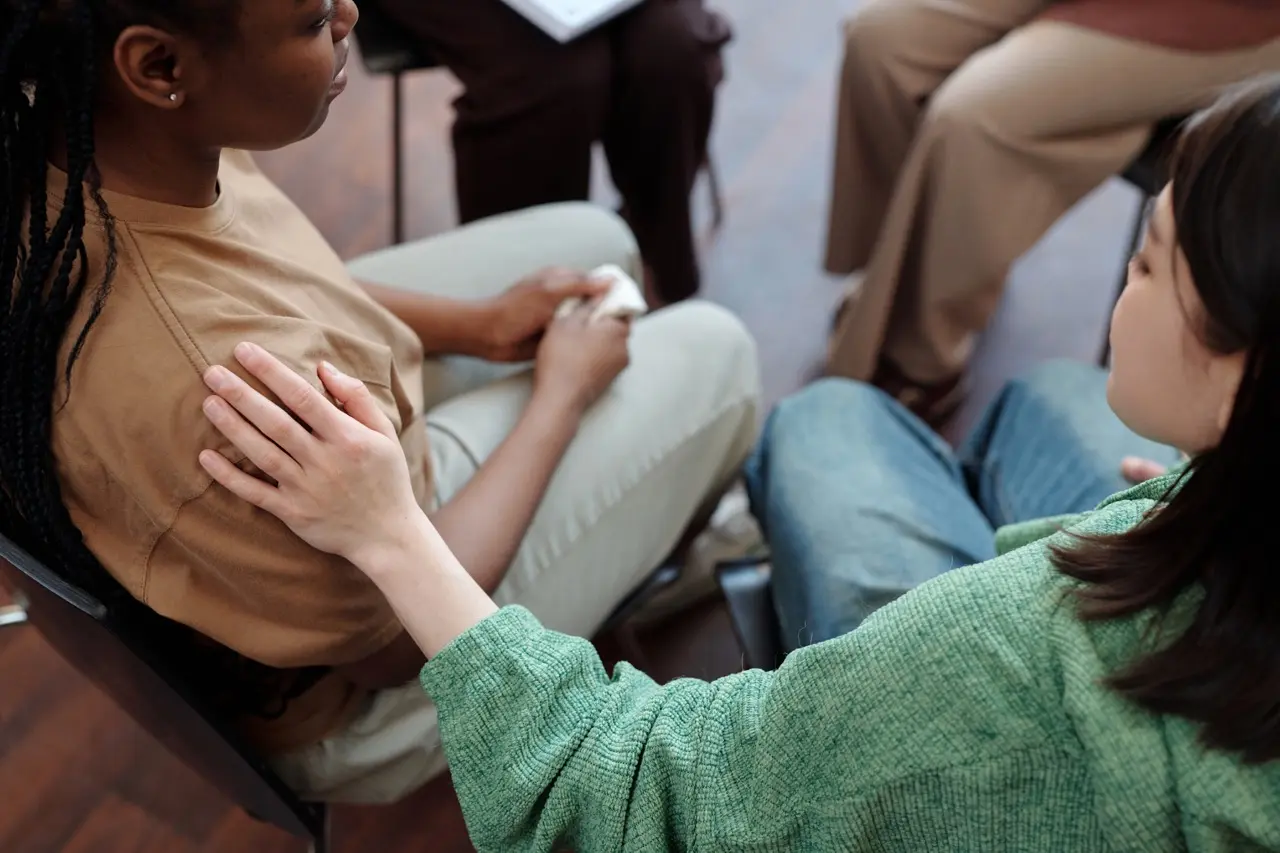

DBT combines mindfulness, emotion regulation, distress tolerance, and interpersonal effectiveness skills in a structured, evidence-based approach. Unlike some therapies that focus primarily on talk or insight, DBT gives practical tools to manage intense emotions and reduce harmful behaviors.
No. While DBT is often associated with borderline personality disorder, it can help anyone struggling with addiction, emotional dysregulation, impulsivity, or stress management.
DBT programs vary based on individual needs. Some people benefit from short-term skills groups, while others work through a full DBT program that includes individual therapy, skills groups, and coaching support.
Yes. DBT teaches coping strategies, mindfulness, and emotion regulation skills that reduce impulsive behaviors and support long-term recovery, making it an effective tool for relapse prevention.
If emotional ups and downs, cravings, or difficulty coping with stress are interfering with daily life, DBT may be helpful. A consultation with the New Leaf team can help you settle on the best program and level of care.
| Authored by: Josh Hamburg Meet Josh Hamburg: Supporting Recovery at New Leaf Detox Josh graduated from University of California, San Diego Extension in 2015 with a Certificate in Alcohol and Drug Abuse Counseling. He graduated from Saddleback College in 2016 with an Associates of Arts in Psychology. He received a Bachelors of Arts in Psychology at California State University, Fullerton in 2020. |