




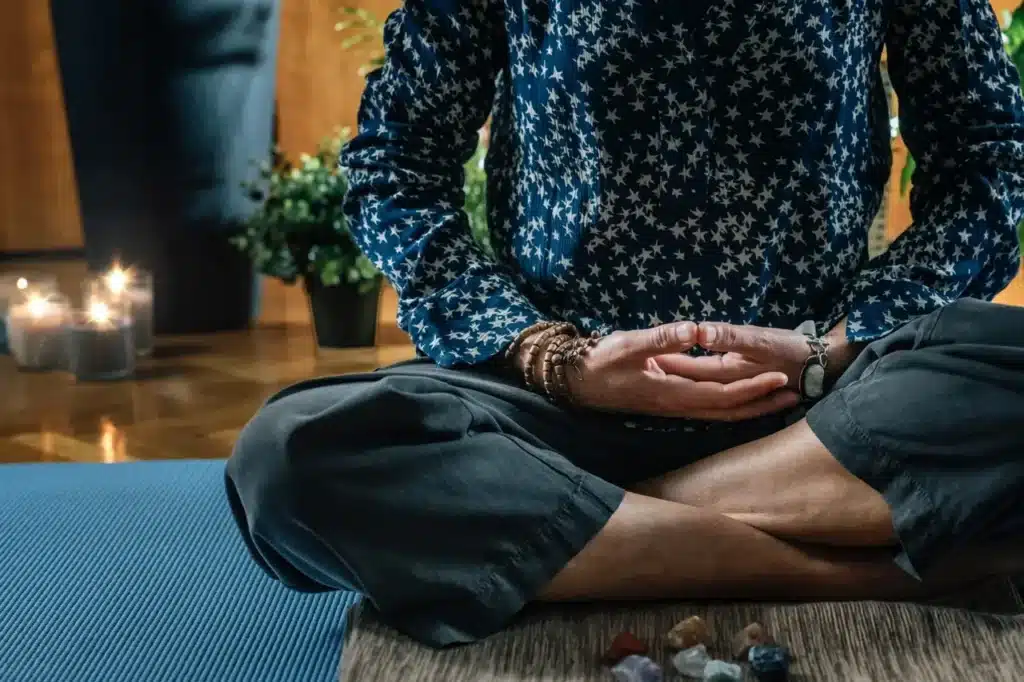
With smartphones in our hands and constant notifications at our fingertips, most of us are absorbing more information in a single day than ever before. News alerts, social media updates, emails, and endless scrolling keep our minds stimulated — and often overstimulated.
This constant barrage of input can leave the nervous system in a near-permanent state of stress. Over time, that mental clutter can impact sleep, focus, emotional regulation, and overall mental health. For individuals navigating detox and recovery, this overstimulation can intensify cravings, increase anxiety, and make it harder to feel grounded.
That’s why mindfulness meditation matters more than ever.
At New Leaf Detox in Orange County, mindfulness isn’t just a wellness trend — it’s an intentional practice woven into the recovery process. By helping clients slow down, reconnect with their breath and body, and step out of reactive patterns, mindfulness creates space for clarity, stability, and long-term healing.
Mindfulness meditation is the practice of steadying your attention in the present moment — especially when your mind wants to race ahead or spiral backward. It is not about emptying your thoughts or forcing calm. It is about learning how to stay with what is real, right now, without judgment.
Instead of reacting automatically to stress, cravings, or difficult emotions, mindfulness teaches you to pause and observe. You notice the tightness in your chest. The thought forming. The urge is rising. And you stay with it — non-judgmental, aware, grounded. That pause creates space. And in recovery, space is power.
While mindfulness has roots in Buddhism, its modern clinical application was shaped by Jon Kabat-Zinn through Mindfulness-Based Stress Reduction (MBSR). Today, MBSR and other evidence-based mindfulness practices are used in treatment centers and wellness programs throughout Orange County to support emotional well-being, mental clarity, and nervous system regulation.
A structured mindfulness meditation practice may include:
Unlike transcendental meditation, which relies on repeating a mantra, mindfulness meditation strengthens your ability to stay with your experience as it unfolds. Over time, this training can reduce stress reactivity, support healthy blood pressure, improve overall well-being, and cultivate a deeper sense of inner peace — not as escape, but as stability.
New Leaf Detox accepts all PPO plans, which can cover up to 100% of treatment costs. Contact our team today for a free, confidential verification of your benefits.
A lot of people say this right away.
“I can’t sit still.”
“My mind won’t shut up.”
“I’m bad at meditation.”
Here’s the truth: mindfulness meditation is not about floating on a mountain like a Buddhist monk or clearing your mind of every thought. It’s not about perfection. And it’s definitely not about forcing yourself to feel calm.
Mindfulness is much simpler — and much more practical — than most people think.
It can look like:
Mindfulness practices are about paying attention to what is happening right now. The present moment. The physical sensations. The emotions. The thoughts — without immediately judging them or trying to escape them.
Even programs like MBSR (Mindfulness-Based Stress Reduction) — developed by Jon Kabat-Zinn to teach mindfulness in real-world settings — emphasize that it’s not about sitting perfectly still or clearing your mind. It’s about noticing, naming, and returning your attention to the present, moment by moment. And the more you practice, the more natural it becomes in your daily life.
When you’re fully in the moment, you’re not spiraling about the future. You’re not replaying the past. You’re not feeding fear. You’re here. And even a few seconds of that attention begins to retrain the nervous system and calm the mind.
Many people think substance use is about “getting high” or “getting drunk.” But for most, it’s about something deeper: changing how they feel in the moment. To quiet anxiety, ease stress, numb physical or emotional pain, or just feel a little more “normal,” people turn to alcohol or drugs as a way to shift their inner experience.
Mindfulness meditation works on the same principle — helping you notice and shift your experience without needing substances. By learning to stay present with uncomfortable feelings, thoughts, or sensations, meditation can make difficult moments more tolerable and give you real tools to respond instead of react.
Some key ways mindfulness meditation supports recovery include:
Mindfulness meditation doesn’t remove discomfort — but it makes it more bearable. Over time, it gives you a practical, evidence-based way to shift how you experience the present moment. In detox and early recovery at New Leaf Detox in Orange County, incorporating mindfulness practices like guided meditation, body scans, and in-person group sessions helps clients build emotional stability, reduce anxiety, and develop healthier coping strategies — tools that last far beyond the walls of treatment.
Mindfulness doesn’t have to be a formal, hour-long meditation. In recovery, it’s about building small moments of awareness into everyday life. Even a few minutes can help you respond instead of react when cravings, stress, or uncomfortable feelings arise.
Simple ways to practice daily include:
These small, intentional moments add up. They help you tolerate discomfort, reduce stress, and strengthen emotional resilience — all of which support lasting recovery. Mindfulness in daily life becomes a tool you can carry everywhere, not just in treatment.

Mindfulness meditation can be a game-changer in recovery, helping you stay grounded, manage cravings, and navigate life’s ups and downs with more ease. At New Leaf Detox in Orange County, we offer structured mindfulness practices — from guided meditations to in-person sessions and group meditations — designed to support your emotional well-being and overall recovery journey.
Whether you’re just starting detox or continuing your recovery, these practices can help you build resilience, calm the nervous system, and reconnect with the present moment. Take the next step in your recovery and discover how mindfulness can become a lasting part of your daily life.

Not at all. Mindfulness is about noticing the present moment, not forcing calm or stillness. You can practice while walking, washing dishes, or even petting your cat. Short, intentional moments count just as much as longer sessions.
Yes. Mindfulness meditation trains your attention to observe cravings and anxious thoughts without automatically reacting. Over time, this makes uncomfortable feelings more manageable and reduces impulsive behavior.
Even a few minutes each day can be powerful. Consistency matters more than duration. Guided sessions, body scans, or brief mindful breathing breaks can all be integrated into daily life.
Absolutely. Programs like MBSR (Mindfulness-Based Stress Reduction), developed by Jon Kabat-Zinn, have been studied extensively for stress reduction, emotional well-being, and overall health outcomes.
Mindfulness meditation is a supportive tool, not a replacement for professional addiction treatment. It works best alongside evidence-based programs, therapy, and holistic care, such as those offered at New Leaf Detox.
 | Authored by: Dr. Sanjai Thankachen Board-Certified Psychiatrist & Former Medical Director at New Leaf Detox Please note: Dr. Thankachen is no longer serving as Medical Director at New Leaf Detox. Our current Medical Director is Dr. Mostafa Sherazy, a dual board-certified psychiatrist and addiction medicine specialist who leads psychiatric care across our program. Dr. Sanjai Thankachen previously served as Medical Director at New Leaf Detox Center. |