




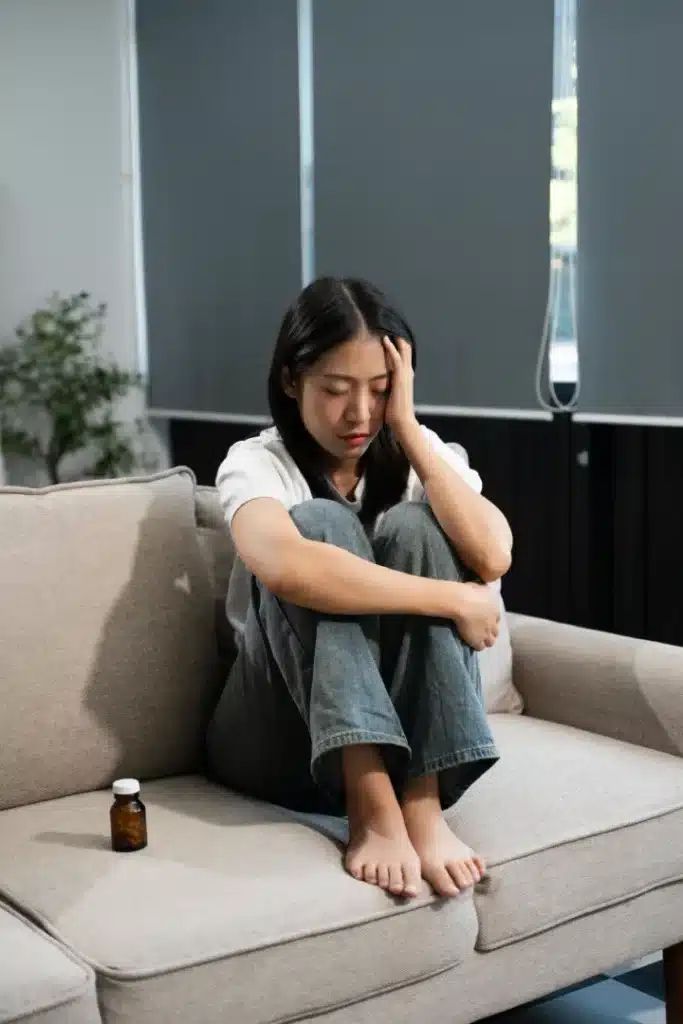
Life can get overwhelming, and it’s completely normal to need help managing sleep, stress, or anxiety. Medications like benzodiazepines—a class of anxiolytic drugs prescribed for panic disorder, insomnia, or anxiety—can provide relief when you need it most. There’s absolutely no shame in using these tools; needing support doesn’t make you weak.
That said, benzodiazepine use or benzodiazepine addiction can develop quietly over time, even when you’re taking your medication exactly as prescribed. This isn’t a personal failing—it’s a biological response, as your brain and body adapt to the medication’s effects on neurotransmitters like GABA. Recognizing this early and taking steps to understand your use is a brave and proactive choice.
This quiz is designed to help you reflect on your relationship with anxiety medication. It’s not a diagnosis, but it can guide you in understanding whether professional support—like the programs offered at New Leaf Detox—might be helpful for your recovery journey.
Benzodiazepines—often called benzos—are prescribed to help with anxiety, panic attacks, or sleep difficulties. Medications like Ativan, Xanax, Klonopin, and Valium can provide relief when life feels overwhelming. There’s no shame in using them to take care of yourself.
These medications work by supporting your brain’s natural calming system, GABA (gamma-aminobutyric acid). Think of GABA as your brain’s “brake pedal” for stress—it helps you feel calmer and more in control.
Over time, the brain and body can adapt to these medications, which may lead to dependence. This is a biological response, not a personal weakness. Stopping suddenly can cause withdrawal symptoms, which is why support from medical detox and treatment programs can be important.
Some factors that can increase the risk of dependence include:
Understanding how benzos work—and that dependence is natural, not a flaw—is the first step toward safe, supported care.
New Leaf Detox accepts all PPO plans, which can cover up to 100% of treatment costs. Contact our team today for a free, confidential verification of your benefits.
Recognizing benzodiazepine dependence can feel scary, but it’s important to remember that you’re not alone—and noticing the signs is a brave first step toward support and healing. A substance use disorder doesn’t mean you’re weak; it’s a biological response as your brain and body adapt to the medication over time.
Common signs that you or a loved one may be developing benzodiazepine dependence include:
Even subtle changes—like feeling you “can’t function” without your medication—can indicate dependence. The good news is that professional support is available, including medical detox and outpatient programs that help you safely manage withdrawal and rebuild daily routines.
Taking the first step toward recovery can feel overwhelming, but help is available, and professional care can make the process safer and more manageable. Addiction treatment is personalized, addressing both the physical dependence and any underlying mental health concerns, so you can regain control at a pace that works for you.
Common treatment options include:
Professional treatment focuses on your individual needs, helping you navigate withdrawal safely, build healthier routines, and develop strategies to prevent relapse. Programs like those offered at New Leaf Detox provide compassionate guidance and structured support, making the journey toward recovery more manageable and empowering.

Getting help for benzodiazepine dependence is brave, and finding a program that actually feels safe and supportive can make all the difference. It’s not just about stopping medication—it’s about rebuilding your routine, your confidence, and your sense of self.
Here’s what makes a program feel like it’s really there for you:
When a program has these pieces in place, you can focus on your recovery without feeling alone or overwhelmed. It’s about taking things day by day, step by step, with people who understand what you’re going through and want to see you succeed.
If you or a loved one is struggling with benzodiazepine dependence, you don’t have to face it alone. New Leaf Detox and Treatment offers compassionate, evidence-based support to help you safely navigate withdrawal, rebuild coping skills, and start feeling like yourself again.
Reach out today to learn more about treatment options, insurance coverage, and personalized care plans. Every step you take toward help is a step toward lasting recovery and well-being.

Signs of benzodiazepine dependence may include increased tolerance, cravings, difficulty reducing use, withdrawal symptoms between doses, and continued use despite negative consequences. A benzodiazepine quiz can help you reflect on these patterns, but a licensed healthcare provider must make a formal diagnosis.
Yes. Physical dependence can develop as a biological response over time, even when medication is taken exactly as directed. This does not mean you’ve done anything wrong—it reflects how the brain adapts to GABA-enhancing medications.
Withdrawal symptoms may include anxiety, irritability, insomnia, tremors, restlessness, and heightened sensitivity to stress. Because withdrawal can sometimes be serious, medical supervision is strongly recommended.
Yes. Stopping benzodiazepines abruptly can lead to uncomfortable or potentially severe withdrawal symptoms. A medically supervised taper or detox program helps reduce risks and improve safety.
A benzodiazepine self-test provides educational insight into your medication use patterns. It cannot diagnose substance use disorder, but it may help you decide whether seeking professional support is appropriate.
After inpatient treatment, most people continue care through step-down options like outpatient programs, an intensive outpatient program (IOP), or even sober living. Planning for aftercare is a key part of building a strong foundation for long-term recovery.
Treatment may include medically supervised detox, inpatient or outpatient programs, cognitive behavioral therapy (CBT), and ongoing support to address both anxiety and substance dependence safely and effectively.
Related Articles